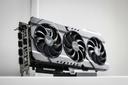
Used RTX 3090 vs New Midrange GPU for Local LLMs: Why the 3090 Wins on Value
The 3090 offers 24 GB VRAM with CUDA at used-market prices — unmatched for running larger models. The 4070 Ti Super offers 16 GB with FP8, a full warranty, and lower power draw. VRAM or reliability?
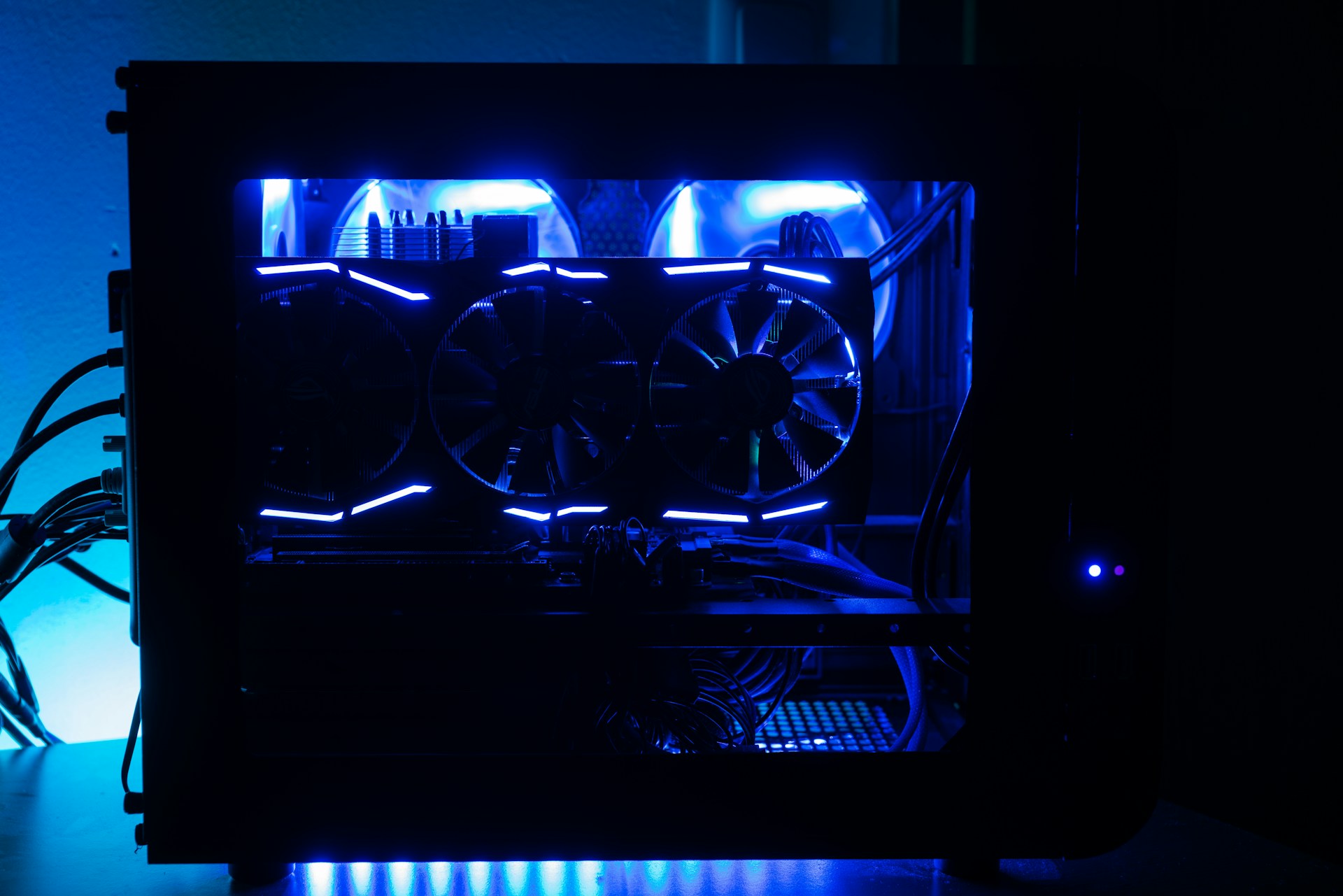
Spec by Spec
| Specification | GeForce RTX 3090 | GeForce RTX 4070 Ti Super |
|---|---|---|
| VRAM | 24 GB GDDR6X | 16 GB GDDR6X |
| Bandwidth | 936 GB/s | 672 GB/s |
| Architecture | Ampere | Ada Lovelace |
| Price | ~$450 used | ~$800 new |
| FP8 Support | No | Yes |
| TDP | 350 W | 285 W |
| Recommended PSU | 750 W | 700 W |
| Warranty | None (used) | Full |
| Max Model (full GPU) | 35B at Q4 | 13B at Q8 |
24 GB vs 16 GB: What You Can Run
50% more VRAM is the difference between running Mixtral 8x7B and Qwen 32B entirely on GPU versus needing CPU offloading. Both cards work on Ollama and llama.cpp, but the model sizes they can handle comfortably diverge sharply. Check our VRAM requirements guide for a detailed model-by-model breakdown, or use our VRAM Calculator to verify your exact model and quantization fit.
GeForce RTX 3090 — 24 GB
- -Mixtral 8x7B (Q4) ~14 GB — Excellent
- -Qwen 2.5 32B (Q4) ~18 GB — Comfortable
- -Command R 35B (Q4) ~20 GB — Fits well
- -Llama 70B (Q3) ~30 GB — Partial offload
GeForce RTX 4070 Ti Super — 16 GB
- -Llama 8B (FP16) ~14 GB — Perfect
- -13B models (Q4) ~8 GB — Fits well
- -34B models (Q3) ~14 GB — Tight but works
- -70B models — Heavy offloading needed
Strengths & Weaknesses
GeForce RTX 3090 — Strengths
Strengths
- Cheapest 24 GB VRAM card with CUDA support
- Runs all major inference frameworks without issue
- Good enough bandwidth for comfortable inference speeds
- Ampere architecture still well-supported
Weaknesses
- No FP8 support - misses a quantization speedup
- Ampere is two generations behind Blackwell
- Runs warm; needs good case cooling
- Used market risks: no warranty, potential wear
GeForce RTX 4070 Ti Super — Strengths
Strengths
- Cheapest new NVIDIA GPU that is viable for local LLMs
- FP8 support from Ada Lovelace generation
- Low 285 W power draw - easy on PSUs and cooling
- Great for 7B-13B models at comfortable speeds
Weaknesses
- Only 16 GB VRAM - cannot run models above ~14B fully on GPU
- 672 GB/s bandwidth is slowest in this comparison
- Not competitive with used 24 GB cards for large models
The Bottom Line
Buy the used GeForce RTX 3090 if you want to run models larger than 16 GB. The 24 GB VRAM opens up Mixtral 8x7B, Qwen 32B, and Command R 35B at Q4 — models that simply do not fit in 16 GB. At ~$450 used, it offers more VRAM per dollar than any other option. The NVIDIA CUDA GPU compute capability page confirms the 3090 (SM 8.6) still supports modern CUDA features for inference.
Buy the GeForce RTX 4070 Ti Super if you only run 7B-13B models and want the reliability of a new card with full warranty. The 285 W power draw is easy on PSUs, FP8 support future-proofs your investment, and you get Ada Lovelace features the 3090 lacks.
Related Comparisons
Best Used GPU for Local LLMs
Used RTX 3090, 4090, and other flagships with a buying checklist.
Best Budget GPU for Local LLMs
Maximum VRAM per dollar from $150 to $1,000.
Best 24 GB GPU for Local LLMs
RTX 4090 vs RX 7900 XTX vs RTX 3090 at the 24 GB tier.
RTX 5080 vs Used RTX 4090
Another 16 GB new vs 24 GB used decision at a higher budget.
Frequently Asked Questions
Is a used RTX 3090 better than new RTX 4070 Ti Super for LLMs?
Will I notice the bandwidth difference (936 vs 672 GB/s)?
What about the RTX 3090 lacking FP8?
How much does a used RTX 3090 cost in 2026?
End of Document
Reader Discussion
Be the first to add a note to this article.
Please log in to join the discussion.
No comments yet.
Related Articles
Best AMD vs Best NVIDIA GPU for Local LLMs: Where AMD Wins, and Where CUDA Still Controls the Market
Can Your GPU Run It? VRAM Compatibility Checker for 80+ LLMs
RTX 5080 vs Used RTX 4090 for Local LLMs: New Warranty or 24 GB Model Headroom